
Researcher Spotlight: Alabama State Department of Education
An EIR-Funded Partnership with the Alabama State Department of Education
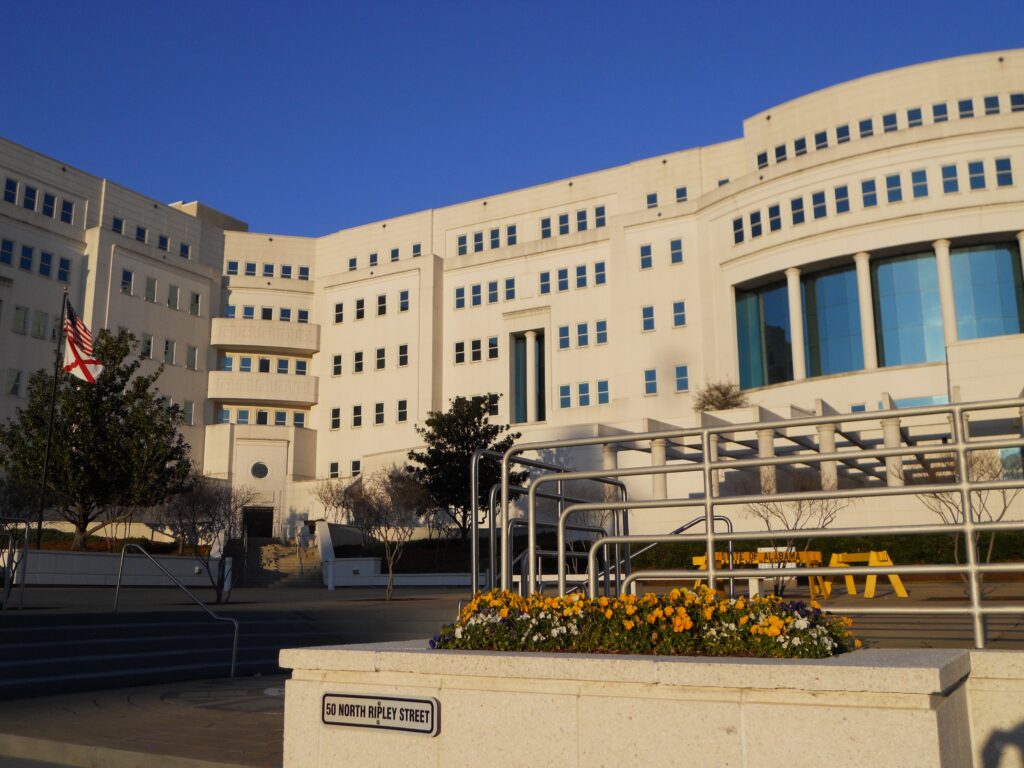
Curio is proud to be part of a groundbreaking collaborative, research initiative with the Alabama State Department of Education, funded by a prestigious federal Education Innovation and Research (EIR) grant. Together, we’ve launched one of the largest virtual reality (VR) studies in K-12 education to date—bringing immersive learning into schools across the state.
Project Overview
This multi-year research initiative explores the transformative potential of virtual reality (VR) in secondary mathematics education—specifically, its impact on student understanding and engagement in geometry. During the initial feasibility phase, 10 teachers participated in a six-week mini-pilot study. Throughout this period, both teachers and their students offered valuable feedback to help refine and enhance the VR geometry learning experiences. Their insights were instrumental in identifying the tools, resources, and support needed to successfully implement virtual reality in real classroom environments. Early feedback from educators and learners has been highly positive.
During the implementation phase, teachers complete training and onboarding, and classrooms across Alabama will begin using Curio’s immersive VR geometry learning experiences in Fall of 2025 to immerse students in dynamic, 3D learning experiences. From exploring sample spaces by making pizza to solving real-world ratio problems using shadows to get a kite down out of a tree, students will be engaged with content in powerful, contextual, new ways.
In the impact phase, 60 high schools will be selected to participate in a randomized control trial (RCT):
- 30 schools will receive full implementation kits, including Curio’s VR Geometry software app, Meta Quest headsets, professional development, and support for teachers.
- 30 comparison schools will continue with traditional instruction, serving as the control group.
In the coming years, additional schools will be onboarded as the study expands statewide.
Implementation and Early Impact
Over the past year, the project has progressed into the implementation phase. Teachers completed professional development and onboarding, and classrooms across Alabama are now poised to use Curio’s immersive VR geometry learning experiences to engage students in powerful new ways.
We’ve seen classrooms light up—students , problem-solving, exploring, and engaging with geometry in 3D space. Early feedback has been overwhelmingly positive, and we’re excited to continue evaluating student growth and engagement over time.
What’s Next
With the implementation phase training now complete, the next steps include continued support for participating schools, analysis of student outcomes, and onboarding of additional schools in future phases. The goal: empower Alabama educators with tools that help students deeply understand abstract math concepts—while making learning fun and memorable.
We’re honored to work alongside Alabama’s education leaders in this innovative research effort and can’t wait to see even more students learning, laughing, and smiling in VR—just like in the photos below.
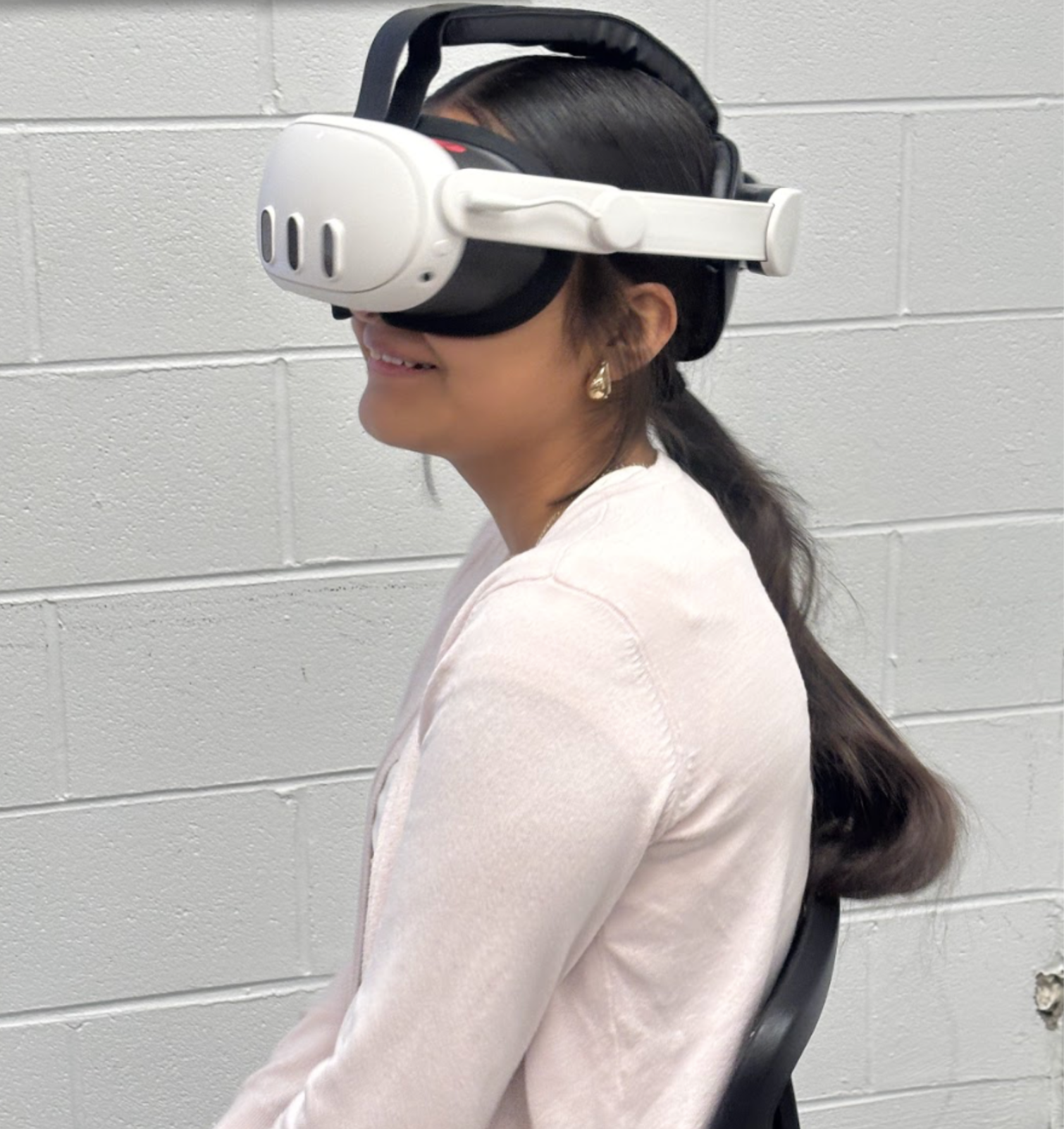
A student at Anniston High School explores immersive learning through Curio
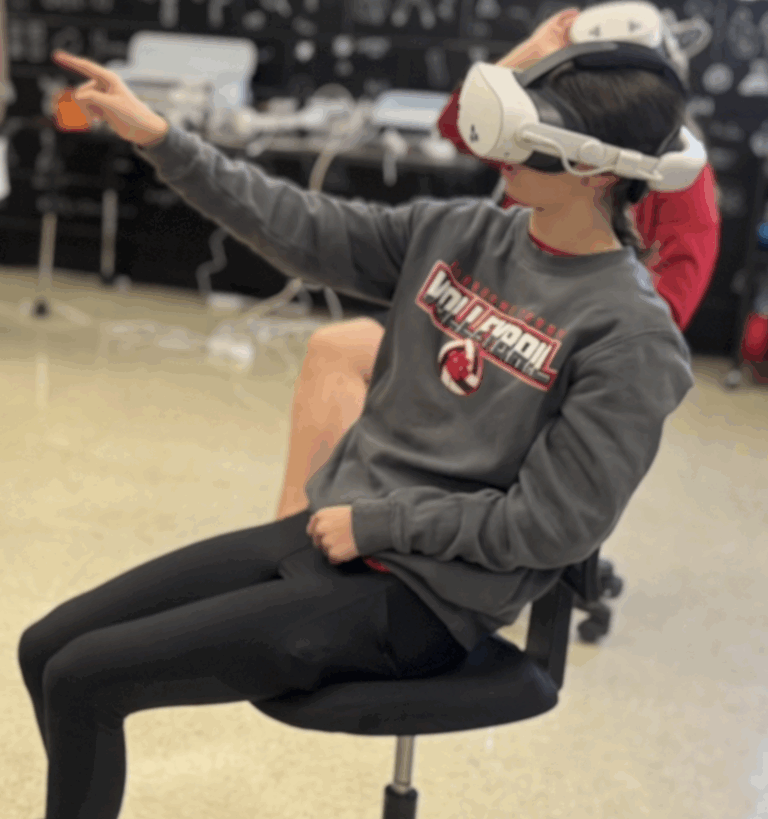
Learning right triangle similarity in Curio — geometry comes to life